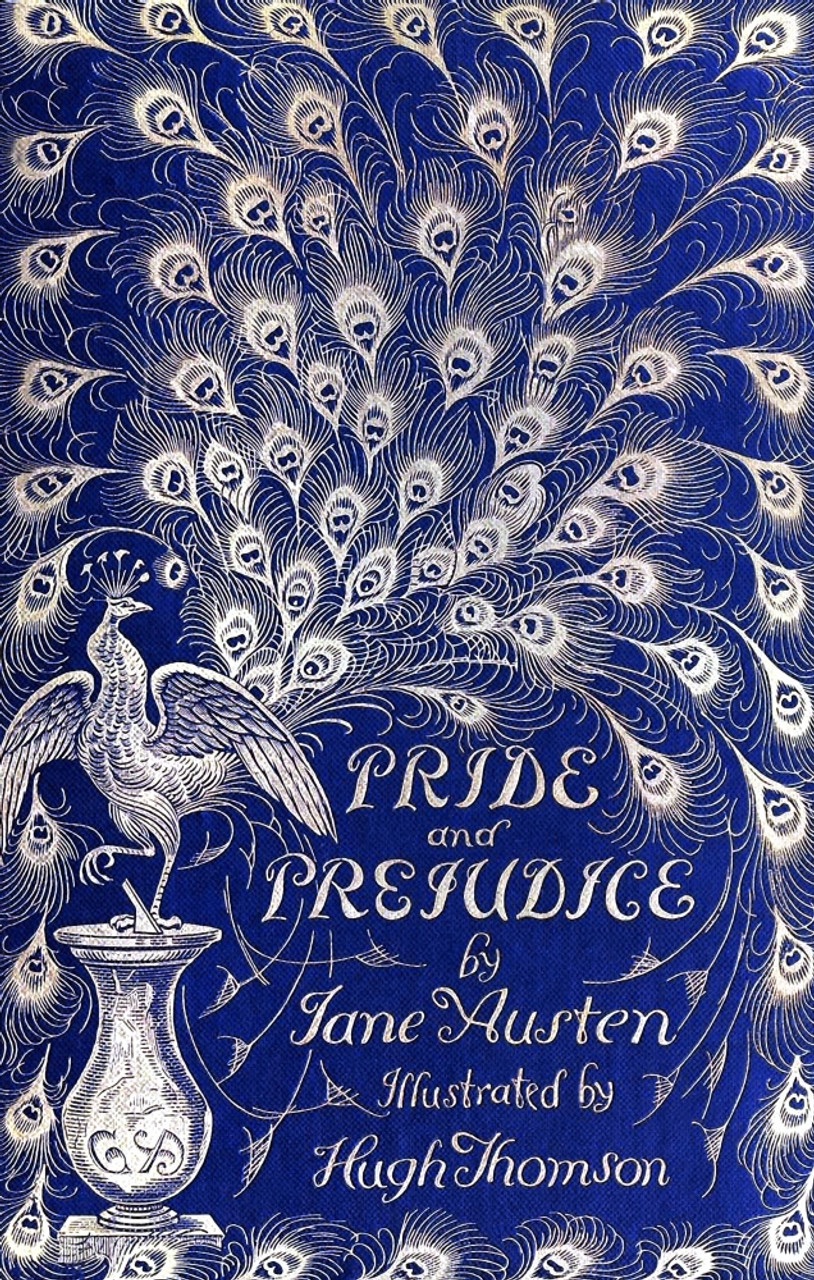
Book Review: Pride and Prejudice by Jane Austen
Rating: ★★★★★ (5/5)
Jane Austen’s Pride and Prejudice remains one of the most cherished and influential novels in English literature. Published in 1813, this timeless romance and social commentary continues to resonate with readers through its brilliant wit, memorable characters, and insightful exploration of societal norms and human relationships. Austen’s sharp, satirical voice, combined with a profound understanding of human nature, elevates Pride and Prejudice far beyond a mere romantic novel, securing its place as an enduring masterpiece.
A Classic Tale of Misunderstandings and Romance
The novel revolves around the Bennet family, consisting of Mr. and Mrs. Bennet and their five daughters—Jane, Elizabeth, Mary, Kitty, and Lydia. With no male heir, their estate is destined to be inherited by a distant cousin, Mr. Collins. This uncertain future intensifies Mrs. Bennet’s desperation to secure suitable marriages for her daughters, thereby setting the stage for a richly layered exploration of courtship, societal expectations, and family dynamics.
Elizabeth Bennet, the intelligent, spirited, and independent protagonist, encounters the wealthy, proud, and seemingly arrogant Mr. Darcy at a social gathering. Their initial meeting leaves both parties unimpressed—Elizabeth finds Darcy excessively proud and disagreeable, while Darcy dismissively labels Elizabeth as merely “tolerable.” However, as circumstances repeatedly bring them together, misunderstandings, prideful judgments, and prejudiced attitudes are challenged, paving the way for one of literature’s most beloved romances.
Characterization: Complex and Memorable
One of Austen’s most significant achievements in Pride and Prejudice is her ability to craft vibrant and multifaceted characters whose realism and humanity transcend time. Each character, whether central or peripheral, is drawn with remarkable precision, allowing readers to fully engage with their joys, frustrations, and personal transformations.
Elizabeth Bennet
Elizabeth Bennet is often celebrated as one of literature’s finest heroines, and for good reason. She is witty, insightful, and fiercely independent—traits that set her apart from many female characters of her time. Elizabeth’s journey is marked by personal growth as she navigates her initial biases and prejudices. Austen masterfully portrays Elizabeth’s internal struggles, making her relatable even to contemporary readers. Her strength lies in her capacity to admit mistakes, reassess her judgments, and ultimately follow her heart.
Mr. Fitzwilliam Darcy
Initially presented as aloof and prideful, Darcy undergoes one of the novel’s most compelling transformations. As the narrative progresses, readers witness his reserved exterior gradually unravel, revealing genuine kindness, integrity, and vulnerability beneath his proud façade. Darcy’s evolution—from arrogant aristocrat to a compassionate and self-aware individual—captures the novel’s thematic heart, emphasizing the destructive nature of unchecked pride and the redemptive power of love and humility.
Supporting Characters
Austen’s secondary characters are equally engaging. Mrs. Bennet, with her constant nerves and marriage-focused ambitions, provides comic relief but also reflects genuine anxieties faced by mothers in Austen’s era. Mr. Collins, the pompous clergyman obsessed with status, serves as a humorous yet insightful critique of blind adherence to societal norms. Jane Bennet’s gentle nature contrasts Elizabeth’s fiery independence, highlighting diverse portrayals of femininity. Lydia Bennet, whose impulsive behavior nearly jeopardizes her family’s reputation, represents the perils of unchecked youthful recklessness. Austen skillfully balances humor, satire, and realism in her portrayal of each character, enriching the overall narrative.
Themes: Timeless Reflections on Society and Relationships
At its core, Pride and Prejudice explores timeless themes still deeply relevant today, including class, societal expectations, marriage, and personal growth.
Pride and Prejudice
True to its title, the novel examines how pride and prejudice interfere with understanding and relationships. Darcy’s pride initially blinds him to Elizabeth’s virtues, while Elizabeth’s prejudices prevent her from recognizing Darcy’s true nature. Austen masterfully illustrates how personal biases can distort perceptions and impede genuine connections, inviting readers to reflect upon their own judgments and assumptions.
Marriage and Societal Expectations
Marriage is depicted both as an economic necessity and a personal pursuit of happiness. Through various relationships, Austen critiques marriages based purely on financial or social advantages, advocating instead for unions rooted in mutual affection and respect. Elizabeth’s refusal of Mr. Collins’s proposal, despite economic pressures, underscores Austen’s progressive stance on marriage as a meaningful partnership rather than merely a financial transaction.
Social Class and Mobility
Class consciousness permeates the novel, highlighting rigid distinctions between social classes and the challenges of mobility. Darcy’s initial disdain for the Bennet family arises from his elevated status, while Elizabeth’s prejudice stems partially from her sensitivity to class differences. Austen explores how rigid adherence to class boundaries can foster misunderstandings and divisions, advocating for a more inclusive view that values character over birthright or wealth.
Narrative Style and Wit
Austen’s narrative style remains unparalleled, characterized by her sharp wit, keen observations, and subtle satire. She skillfully critiques societal norms without becoming preachy, using irony and humor to engage readers while provoking thoughtful reflection. The dialogue is particularly sparkling, filled with clever repartee that reveals character nuances and societal tensions. Austen’s prose is remarkably accessible, and her insightful portrayals of human behavior ensure the novel’s enduring appeal.
Enduring Popularity and Influence
Over two centuries since its publication, Pride and Prejudice continues to captivate readers worldwide. Its timeless themes, relatable characters, and astute social commentary contribute to its lasting significance. Adaptations abound in film, television, stage productions, and literary reinterpretations, attesting to its profound cultural impact. Modern retellings such as Helen Fielding’s Bridget Jones’s Diary and countless films and series demonstrate Austen’s lasting relevance, highlighting her acute understanding of human relationships and societal pressures.
Why Pride and Prejudice Remains Essential Reading
Beyond its literary acclaim, Pride and Prejudice endures because it genuinely connects with readers on multiple levels. Austen’s exploration of universal emotions—love, pride, embarrassment, and regret—creates a deep emotional resonance. Readers recognize elements of themselves within Elizabeth’s biases, Darcy’s pride, Jane’s vulnerability, and Lydia’s impulsiveness, ensuring the novel’s timeless appeal.
Moreover, Austen provides readers with hopeful reassurance that personal growth is possible through humility, introspection, and openness. The transformation of Elizabeth and Darcy reminds readers that first impressions need not define our ultimate understanding of others, fostering empathy and reflection.
Final Verdict: A Literary Treasure
In every sense, Pride and Prejudice is a masterpiece. Austen’s skillful balance of humor, drama, romance, and social critique makes the novel an endlessly rewarding read. Her nuanced characters and incisive observations of society transcend the boundaries of time and culture, ensuring the novel’s lasting legacy.
For readers who have yet to experience Austen’s genius, Pride and Prejudice offers a perfect starting point. For those revisiting this classic, the novel’s depth and charm continue to reveal fresh insights upon every reread.
In sum, Jane Austen’s Pride and Prejudice remains an essential literary experience—a timeless exploration of human relationships, social norms, and the enduring power of love and understanding.
Final Rating: 5/5 – An unmissable classic that continues to enchant and inspire readers across generations.



 Book Reviews Online
Leave a comment