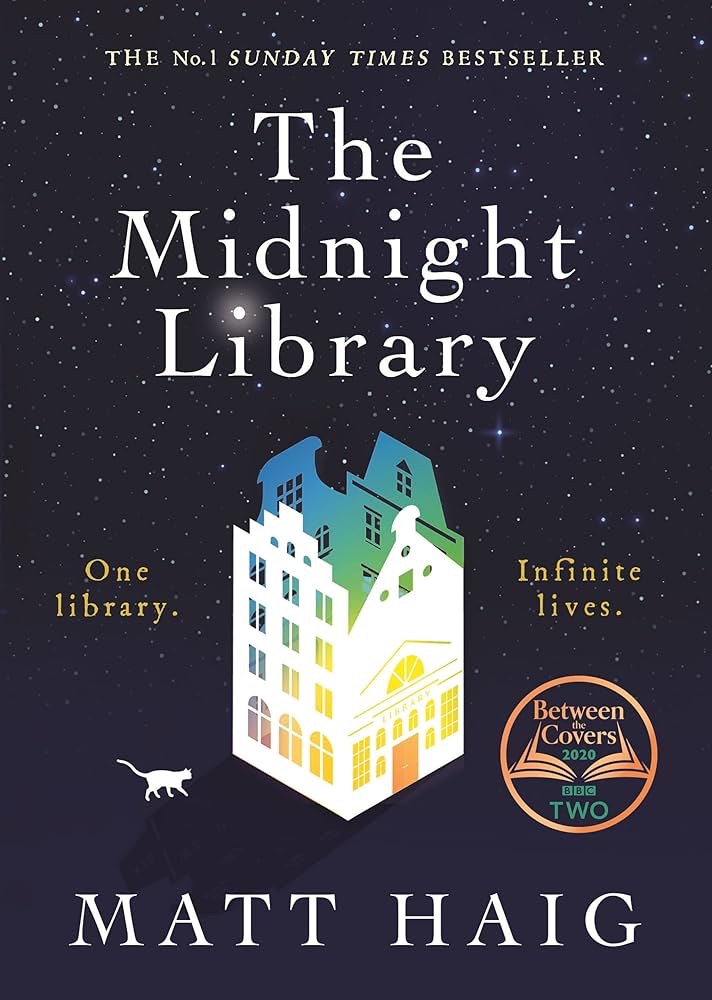
Author: Matt Haig
Rating: ★★★★☆ (4 out of 5 stars)
Matt Haig’s The Midnight Library has captured the hearts of readers around the world, and for good reason. This thought-provoking novel dives into themes of regret, mental health, the meaning of life, and the power of choice. With its unique concept and emotional depth, the book has become a favorite among fans of literary fiction, self-discovery stories, and magical realism. In this review, we’ll take a deep dive into what makes The Midnight Library such a compelling read, why it’s resonating with so many people, and whether it’s worth adding to your reading list.
Overview of The Midnight Library
At the center of The Midnight Library is Nora Seed, a thirty-something woman who feels overwhelmed by the weight of her failures and disappointments. Her cat has died, she’s lost her job, she’s estranged from her brother, and she feels like she has let everyone — including herself — down. In a moment of deep despair, Nora attempts to take her own life. But instead of dying, she finds herself in a mysterious library that exists between life and death.
This library, known as the Midnight Library, is filled with books that contain the infinite lives she could have lived — each one representing a different choice she could have made. Guided by her former school librarian, Mrs. Elm, Nora is given the chance to step into these alternate realities and experience what could have been. As she journeys through a series of “what if” lives — from Olympic swimmer to glaciologist to rock star — Nora begins to uncover a deeper understanding of herself and the choices she’s made.
Themes and Message
One of the core themes of The Midnight Library is regret — a universal emotion that everyone grapples with. Nora’s journey through alternate lives is a metaphorical exploration of the regrets that weigh her down. Each life she steps into is filled with its own unique joys and struggles, reminding readers that no life is perfect, and every choice comes with consequences.
Another powerful theme is mental health. Haig, who has been open about his own struggles with depression and anxiety, approaches Nora’s emotional crisis with sensitivity and honesty. The novel doesn’t trivialize mental illness or offer easy solutions; instead, it offers a message of hope: that even in our darkest moments, life is still full of possibility.
There’s also a strong message about self-worth and acceptance. As Nora explores various versions of herself, she begins to let go of the notion that she needs to live a “perfect” life. She learns that meaning doesn’t come from fame, money, or accomplishments — it comes from connection, compassion, and being present.
Writing Style and Pacing
Matt Haig’s writing is accessible, lyrical, and emotionally resonant. He strikes a balance between poetic reflection and straightforward narration, making the novel easy to read while still packing a philosophical punch. The pacing is brisk, with short chapters and constant movement as Nora jumps from life to life. This structure keeps the story engaging and makes it a perfect book for readers who enjoy introspective fiction that’s also plot-driven.
However, some readers may find the narrative slightly repetitive — especially in the middle portion of the book where Nora tries out several alternate lives in quick succession. While this repetition serves a thematic purpose, reinforcing the idea that every life has its highs and lows, it can occasionally slow the momentum.
Characters and Development
Nora Seed is a relatable and sympathetic protagonist. Her struggles feel authentic, and her emotional evolution throughout the book is both believable and inspiring. As she navigates different versions of her life, we see her grow in self-awareness and confidence. The supporting characters, particularly Mrs. Elm, serve as thoughtful guides and foils, although they aren’t explored in as much depth as Nora herself.
Each alternate life introduces new characters, many of whom are only briefly developed, but they serve to highlight the range of relationships and experiences that shape a life. Whether it’s rekindling a romance, bonding with a sibling, or feeling isolated despite outward success, these lives show the many forms fulfillment can take.
Who Should Read The Midnight Library?
The Midnight Library is ideal for readers who enjoy:
Thought-provoking fiction with a philosophical edge Stories that explore mental health and emotional healing Books about alternate realities and the multiverse concept Uplifting narratives that offer hope and personal growth Fans of novels like Oona Out of Order, The Invisible Life of Addie LaRue, or Eleanor Oliphant Is Completely Fine
If you’ve ever wondered “what if?” about your own life, this book will resonate with you. It’s a great pick for book clubs as well, thanks to its deep themes and discussion-worthy questions.
Critiques and Final Thoughts
While The Midnight Library is a moving and uplifting novel, it’s not without its flaws. As mentioned earlier, the structure can feel formulaic at times, and the philosophical discussions, while meaningful, may feel too on-the-nose for some readers. Additionally, readers looking for a more grounded or plot-heavy narrative may find the magical realism element a bit too whimsical.
That said, these are minor quibbles in an otherwise powerful story. Haig’s ability to blend a fantastical premise with real emotional insight makes this book stand out. It’s a gentle reminder that life, with all its imperfections, is still worth living — and that sometimes, the life we have is the best possible one.
Conclusion: Is The Midnight Library Worth Reading?
Absolutely. The Midnight Library by Matt Haig is a beautifully written, emotionally resonant novel that speaks to the heart of what it means to be human. With its universal themes, relatable protagonist, and hopeful message, it’s easy to see why this book has become a bestseller and a book club favorite.
Whether you’re navigating your own regrets or simply looking for an engaging, life-affirming read, this novel delivers. It encourages us to embrace the present, accept ourselves, and understand that even our small choices matter.
Final Rating: 4 out of 5 stars
 Book Reviews Online
Leave a comment