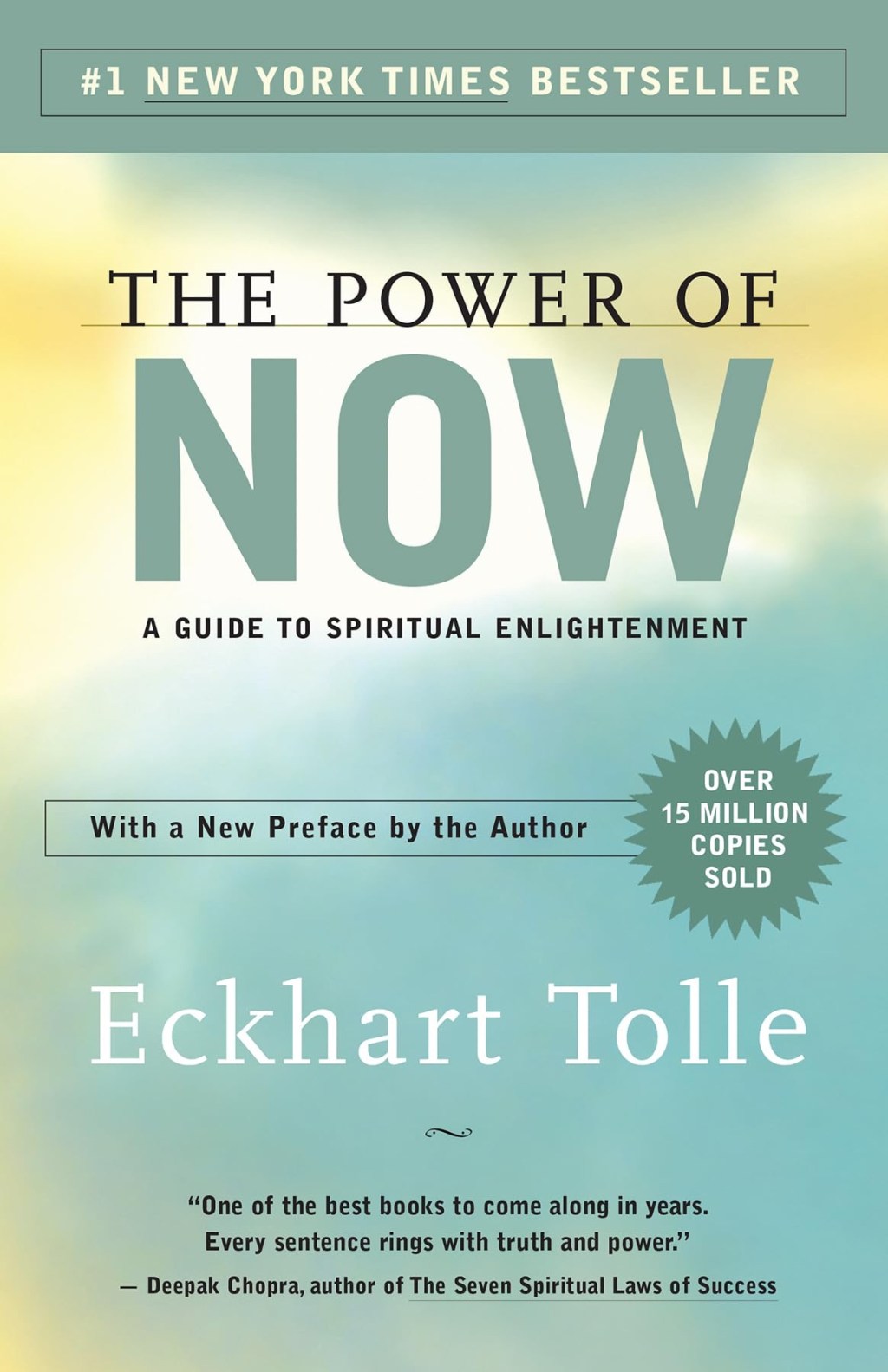
Author: Eckhart Tolle
Rating: ★★★★☆ (4.5 out of 5 stars)
In an increasingly fast-paced, anxious, and distracted world, The Power of Now by Eckhart Tolle offers a calm and enlightening reminder of what matters most: the present moment. Widely regarded as a modern spiritual classic, this book invites readers to break free from overthinking, release attachment to past and future, and discover peace and clarity by fully embracing the now. In this review, we’ll explore the book’s core teachings, why it continues to resonate with millions, and how it can help you live a more mindful, meaningful life.
Overview of The Power of Now
Originally published in 1997, The Power of Now quickly became a global bestseller, especially after being endorsed by Oprah Winfrey. Part spiritual manual, part psychological insight, the book presents Tolle’s core philosophy: that true peace and enlightenment come only when we disengage from the incessant chatter of the mind and awaken to the present moment.
Tolle draws from Buddhism, Christianity, and various Eastern philosophies while maintaining a universal and non-religious tone. Rather than advocating dogma, he encourages personal awareness and transformation through presence.
Key Takeaways and Lessons
1. You Are Not Your Mind
Tolle teaches that most people are trapped in their minds—constantly thinking, analyzing, and worrying. True freedom begins when we recognize that we are the awareness behind those thoughts, not the thoughts themselves.
2. The Present Moment Is All You Ever Have
Dwelling on the past leads to guilt and regret, while obsessing about the future breeds anxiety. Peace is only accessible in the now. Learning to anchor your attention in the present opens the door to transformation.
3. Pain Is Rooted in Resistance
Emotional suffering arises when we resist what is. By surrendering to the present and accepting reality as it is (not as we wish it to be), we reduce inner turmoil and find peace—even in difficult situations.
4. Ego Is the Source of Disconnection
Tolle describes the ego as the false self—an identity built on external labels, comparisons, and roles. The ego thrives on separation and fear. Recognizing and releasing egoic patterns is essential for inner peace.
5. Presence Is Power
Being fully aware of your current experience—whether you’re walking, eating, or talking—brings a sense of stillness and clarity. Tolle insists that true joy and creativity arise naturally from this state of consciousness.
Writing Style and Format
The Power of Now is written in a question-and-answer format, which makes it feel like a personal dialogue between teacher and student. Tolle’s tone is calm, compassionate, and deliberate, creating a meditative reading experience.
The writing is accessible but deeply philosophical. Some passages may require rereading, especially for readers new to spiritual or metaphysical concepts. However, the book’s structure allows readers to absorb it in small, reflective sections—ideal for journaling or daily contemplation.
Who Should Read The Power of Now?
This book is ideal for:
Anyone struggling with anxiety, overthinking, or stress Spiritual seekers and mindfulness practitioners Readers of A New Earth, The Untethered Soul, or Wherever You Go, There You Are People interested in meditation, emotional healing, or inner peace Anyone ready to live more fully and let go of compulsive mental patterns
If you’re seeking peace, clarity, or a deeper sense of meaning, The Power of Now provides the tools to get there—no matter your background or beliefs.
Critiques and Considerations
While widely beloved, The Power of Now may not resonate with everyone. Some critics find the language abstract or repetitive, and readers looking for concrete action steps might find it more conceptual than practical.
Additionally, those unfamiliar with mindfulness or spiritual terminology may find certain ideas difficult to grasp on the first read. However, Tolle encourages exactly that: slowing down, sitting with discomfort, and allowing insight to unfold organically.
Cultural Impact and Legacy
Since its release, The Power of Now has become one of the most influential spiritual books of the modern era. Millions of readers credit it with transforming their relationship to stress, suffering, and identity.
Tolle’s teachings have reached global audiences through retreats, lectures, and follow-up works like A New Earth. His emphasis on presence, consciousness, and surrender has helped popularize mindfulness in the West and continues to guide individuals across all walks of life toward greater awareness and peace.
Final Thoughts: Is The Power of Now Worth Reading?
Absolutely. The Power of Now isn’t just a book—it’s a doorway to a new way of experiencing life. With patience and openness, its message can change how you relate to your thoughts, emotions, and the world around you.
It’s not a quick fix—but it’s a timeless guide. And for those ready to listen, its wisdom can be life-altering.
Final Rating: 4.5 out of 5 stars
Profound, peaceful, and transformative—The Power of Now is a must-read for anyone seeking inner stillness and a deeper sense of being.


 Book Reviews Online
Leave a comment