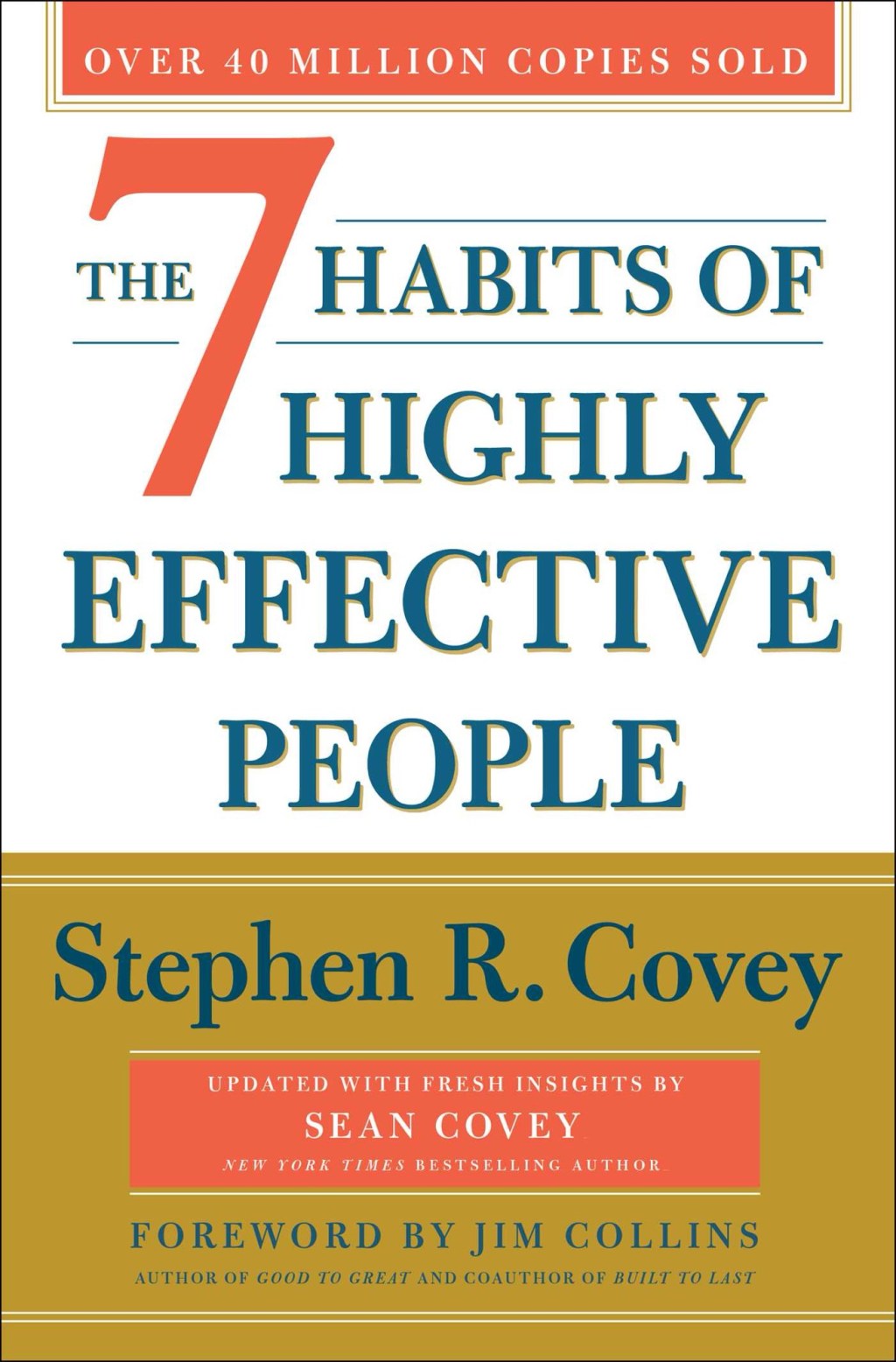
Author: Stephen R. Covey
Rating: ★★★★★ (5 out of 5 stars)
Few books in the self-help and business genre have stood the test of time like The 7 Habits of Highly Effective People. First published in 1989, Stephen R. Covey’s groundbreaking work continues to be a go-to guide for personal and professional development. With its focus on character ethics, intentional living, and long-term effectiveness, this book has helped millions create meaningful change in their habits, relationships, and leadership. In this review, we’ll explore Covey’s seven core habits, why they’re still relevant today, and how applying them can lead to lasting transformation.
Overview of The 7 Habits of Highly Effective People
The 7 Habits of Highly Effective People isn’t about quick hacks or trendy productivity tips. Instead, it’s a deep, principle-centered framework for personal growth, rooted in timeless truths about human behavior and success.
Covey emphasizes a shift from what he calls the “Personality Ethic”—short-term, superficial techniques—to the “Character Ethic,” which focuses on internal transformation and aligning actions with values.
The book is divided into three sections:
Private Victory – Habits 1–3: Focus on self-mastery Public Victory – Habits 4–6: Focus on relationships and collaboration Renewal – Habit 7: Continuous growth and self-care
The 7 Habits at a Glance
1. Be Proactive
Take responsibility for your life. Proactive people recognize that their behavior is a product of their decisions, not their circumstances. This habit emphasizes the power of choice and self-awareness.
2. Begin with the End in Mind
Start everything with a clear vision of your desired outcome. Whether in personal goals or business strategy, knowing your destination makes decision-making purposeful and efficient.
3. Put First Things First
Prioritize what truly matters. Covey introduces the Eisenhower Matrix (urgent vs. important) to help readers focus on high-impact activities and manage time effectively.
4. Think Win-Win
Success isn’t a zero-sum game. This habit teaches collaboration over competition and the importance of seeking mutually beneficial solutions in relationships and business.
5. Seek First to Understand, Then to Be Understood
Effective communication starts with deep listening. Covey shows how empathy builds trust and resolves conflict far more effectively than argument or persuasion.
6. Synergize
Teamwork can produce results greater than the sum of individual efforts. This habit encourages celebrating differences and valuing creative collaboration.
7. Sharpen the Saw
Continuous self-renewal—physically, mentally, emotionally, and spiritually—is essential for sustained effectiveness. Covey reminds readers that rest, learning, and reflection aren’t indulgences, they’re necessities.
Writing Style and Format
Covey’s tone is professional, instructional, and philosophical. The book is filled with real-world examples, case studies, and practical applications that balance theory with actionable advice. While it reads more like a textbook than a casual self-help book, its clarity and structure make it approachable for serious readers.
Covey often blends wisdom from various disciplines—psychology, business, education, and even religion—giving the book a well-rounded and holistic tone. Each chapter ends with exercises or reflection questions, encouraging readers to immediately apply what they’ve learned.
Who Should Read The 7 Habits of Highly Effective People?
This book is ideal for:
Business professionals and entrepreneurs Students and educators Leaders and managers seeking personal and team growth Individuals seeking long-term personal development Fans of books like Atomic Habits, Deep Work, or Essentialism
Whether you’re looking to improve your leadership skills, relationships, or internal discipline, The 7 Habits provides a proven roadmap.
Critiques and Considerations
Some readers may find the tone overly formal or the concepts familiar if they’ve read other personal development books influenced by Covey’s work. Others may struggle with the initial depth and density, especially if they prefer quick takeaways.
However, those who take the time to digest the material and implement the habits will find the effort well worth it. This isn’t a “read once and forget” book—it’s a lifelong reference.
Cultural Impact and Legacy
Since its release, The 7 Habits of Highly Effective People has sold over 40 million copies worldwide and been translated into dozens of languages. It’s used in leadership programs, corporate training, schools, and personal coaching worldwide.
Stephen Covey’s principles have become part of the modern leadership vocabulary, and his legacy continues through FranklinCovey, a global consulting organization that trains individuals and companies in these habits.
Final Thoughts: Is The 7 Habits of Highly Effective People Worth Reading?
Without a doubt. The 7 Habits of Highly Effective People is not just a book—it’s a system for building a meaningful, productive, and principle-driven life. Its holistic approach to effectiveness ensures that success isn’t achieved at the expense of health, relationships, or integrity.
Whether you’re reading it for the first time or revisiting it after years, the insights remain as powerful and applicable as ever.
Final Rating: 5 out of 5 stars
Timeless, practical, and deeply transformative—The 7 Habits of Highly Effective People is a foundational read for anyone committed to long-term success and personal integrity.
 Book Reviews Online
Leave a comment