Introduction
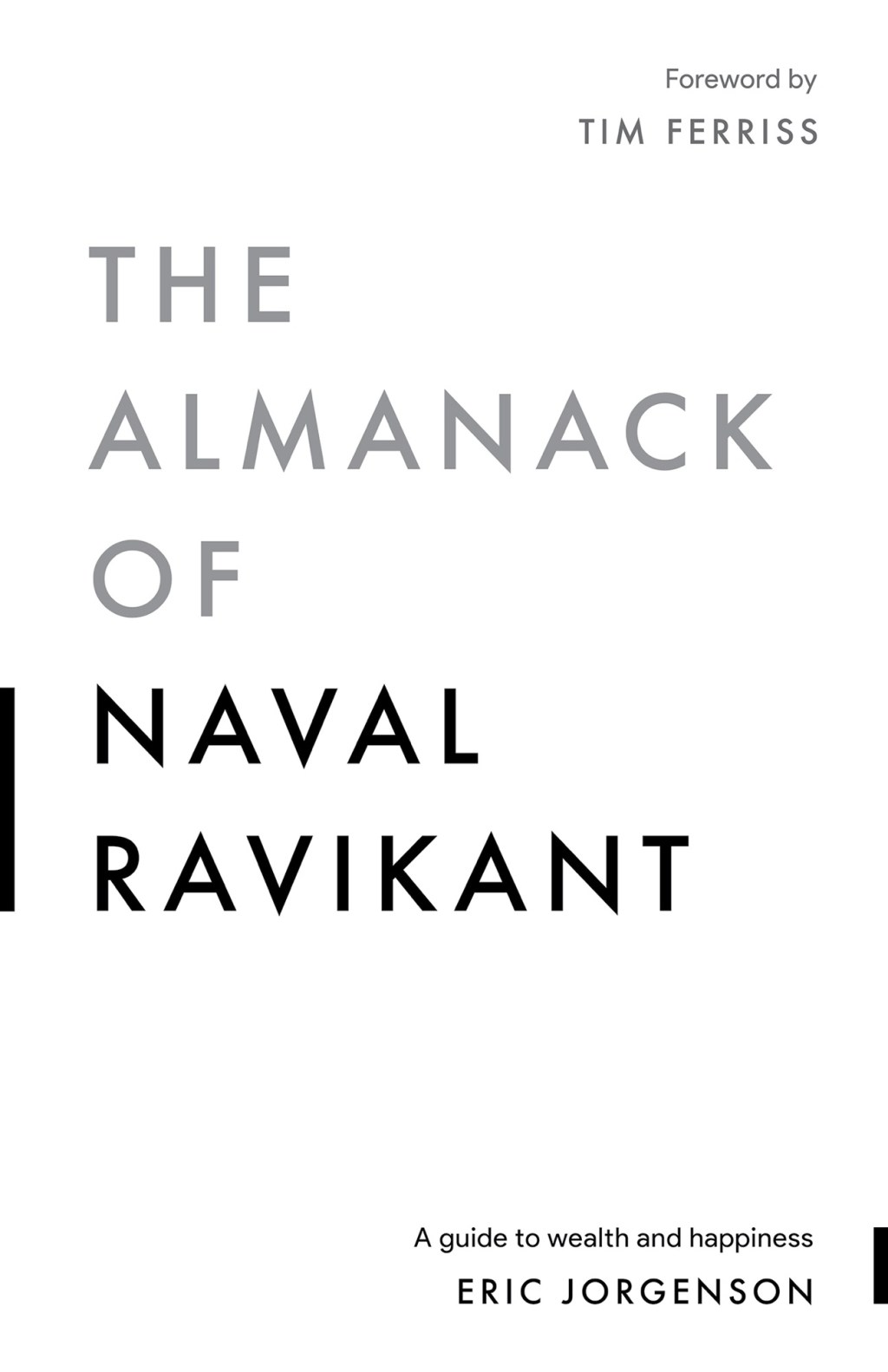
The Almanack of Naval Ravikant is not a traditional self-improvement book.
It is a curated collection of insights, interviews, and tweets from investor and entrepreneur Naval Ravikant, compiled and structured by Eric Jorgenson.
Over the past several years, it has become one of the most recommended books in startup, investing, and self-development circles.
Unlike motivational books built on hype, this one focuses on first principles: wealth, leverage, judgment, and happiness.
This review breaks down what the book teaches, who it benefits most, and whether it deserves its reputation.
What Is The Almanack of Naval Ravikant About?
At its core, the book focuses on two themes:
How to build wealth without renting out your time How to build happiness without external dependency
It is structured in short, dense sections covering:
Leverage and ownership Specific knowledge Long-term thinking Decision-making frameworks Reading and learning Mental clarity Philosophy and happiness
The tone is concise. There is no filler. Nearly every page contains a distilled idea.
The Most Powerful Lessons in the Book
1. Seek Leverage
One of the central ideas is leverage.
Ravikant defines modern leverage as:
Code Media Capital
These forms of leverage allow you to create once and earn repeatedly.
The takeaway is clear: trading time for money limits upside. Ownership and scalable output create wealth.
For anyone building digital products, media brands, or businesses, this concept is foundational.
2. Specific Knowledge Beats Credentials
The book emphasizes developing unique skills that feel natural and authentic to you.
Specific knowledge is not learned in classrooms. It is built through curiosity and obsession.
Instead of chasing status, the focus is on becoming irreplaceable.
This idea aligns strongly with long-term brand building and expertise development.
3. Play Long-Term Games with Long-Term People
Trust compounds.
Reputation compounds.
Relationships compound.
The book stresses that wealth and opportunity flow to those who think in decades, not quarters.
Short-term wins often destroy long-term positioning.
4. Happiness Is a Skill
Unlike many wealth-focused books, this one gives equal weight to mental clarity.
Ravikant argues that happiness is not something you achieve. It is something you practice.
Removing desire, reducing comparison, and choosing peace over status are recurring themes.
This dual focus on wealth and internal stability makes the book stand out.
Strengths of The Almanack of Naval Ravikant
Dense and highly quotable insights Focus on leverage and ownership Strong emphasis on long-term thinking Combines wealth-building and philosophy Easy to revisit repeatedly
The book does not waste words.
It is structured for rereading, reflection, and application.
For entrepreneurs, investors, and creators, the ideas around leverage and ownership are especially relevant.
Weaknesses of The Almanack of Naval Ravikant
Because the book is a compilation, it can feel fragmented at times.
It does not provide step-by-step execution plans.
Some ideas are philosophical rather than tactical, which may frustrate readers looking for immediate action steps.
However, the value lies in frameworks, not checklists.
Is The Almanack of Naval Ravikant Worth Reading in 2026?
Yes, particularly if you are:
Building a business or digital asset Investing for long-term growth Focused on scalable income Trying to escape trading time for money Interested in philosophy combined with wealth building
If you are looking for hype or motivational storytelling, this is not that book.
It is calm, strategic, and grounded in first principles.
Final Verdict
The Almanack of Naval Ravikant stands out because it bridges wealth and wisdom.
It challenges the idea that success requires burnout.
It emphasizes ownership over busyness.
It prioritizes leverage over effort alone.
Rating: 4.8 out of 5
It is not loud.
It is not flashy.
It is strategic.
And for long-term builders, strategy beats intensity every time.



 Book Reviews Online
Leave a comment