Introduction
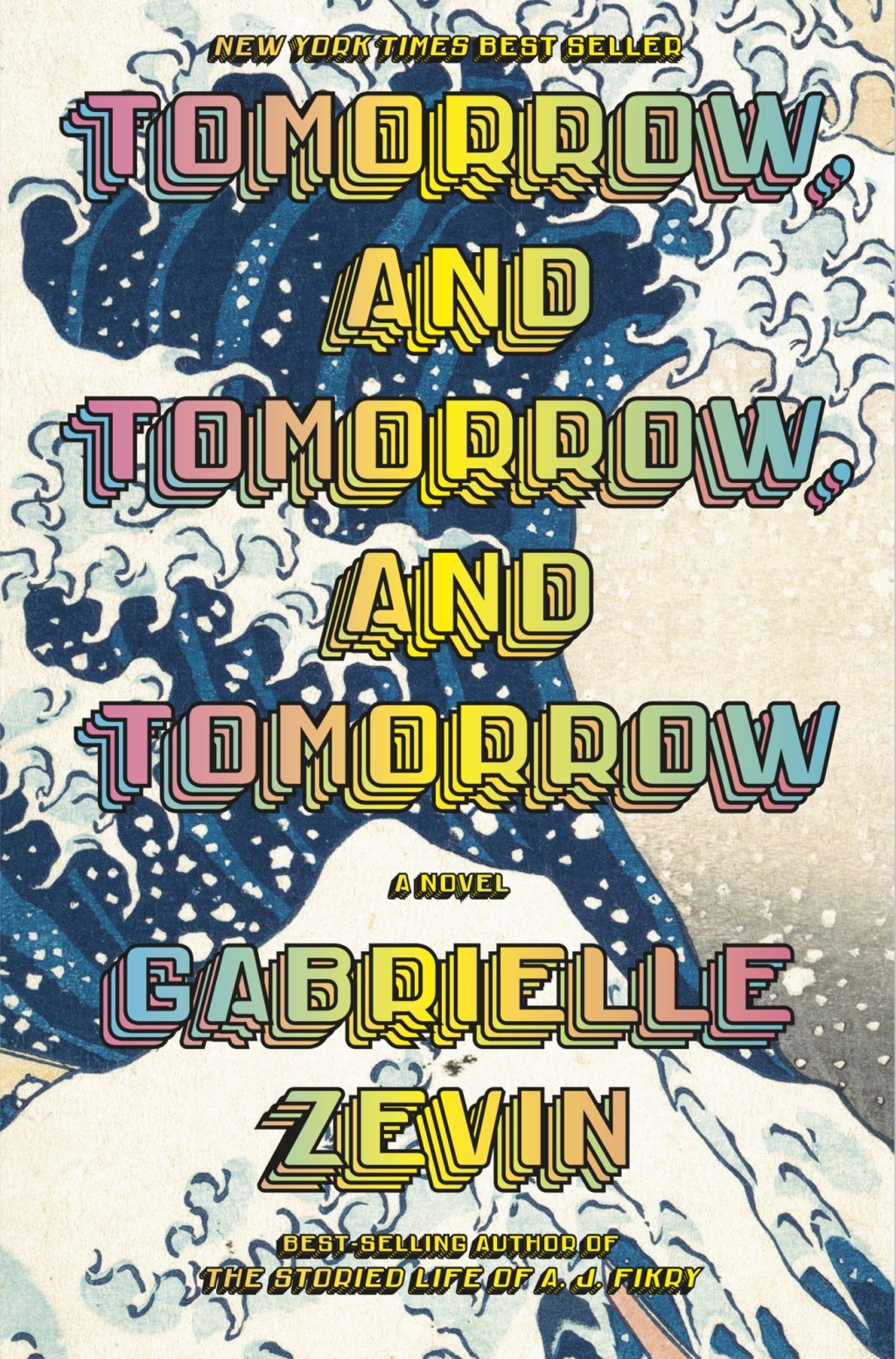
Tomorrow, and Tomorrow, and Tomorrow by Gabrielle Zevin is not a traditional plot-driven novel.
Instead, it is a character-focused story about friendship, creativity, ambition, and the long-term consequences of the choices we make.
Set against the backdrop of the video game industry, the novel explores how two creative partners build a successful career together while navigating personal conflict, success, failure, and evolving identity.
It has become one of the most talked-about literary fiction books in recent years, praised for its emotional depth and unique subject matter.
This review breaks down what the book offers, where it excels, and whether it is worth reading.
Plot Overview
The story follows Sam Masur and Sadie Green, two friends who meet as children and reconnect years later as young adults.
Both share a passion for video games and decide to build something together.
What begins as a creative partnership quickly turns into a successful business as they develop indie games that gain widespread recognition.
As their careers grow, so do the complexities of their relationship.
The novel spans decades, following their evolving friendship through periods of collaboration, separation, success, and personal struggle.
Rather than focusing on a single central conflict, the story explores the long-term dynamics between the characters.
Character Development
The strength of the novel lies in its characters.
Sam and Sadie are not perfect, and that is exactly what makes them compelling.
Both are talented, ambitious, and driven, but they also struggle with ego, insecurity, and communication.
Their relationship is complex. It shifts between friendship, rivalry, dependence, and distance.
The novel does not force a simple definition of their connection, which makes it feel more realistic.
A third key character, Marx, brings balance and emotional grounding to the story. His presence adds warmth and perspective, making the group dynamic more layered.
Together, these characters drive the narrative forward through their decisions and interactions.
Themes Explored in the Novel
Creativity and Collaboration
The book explores what it means to create something meaningful.
It highlights the tension between artistic vision and commercial success, as well as the challenges of working closely with others over long periods of time.
Creative partnerships can be powerful, but they are rarely simple.
Friendship Over Time
One of the central themes is how friendships evolve.
People grow, priorities shift, and misunderstandings accumulate.
The novel shows that long-term relationships are not static. They require effort, communication, and sometimes distance.
Ambition and Success
Success brings opportunity, but it also introduces pressure and conflict.
The characters must navigate the expectations that come with recognition while trying to stay true to their original motivations.
The book presents ambition as both a driving force and a source of tension.
Identity and Reinvention
Throughout the novel, characters continuously redefine themselves.
Personal identity is shaped by experiences, relationships, and choices.
The story suggests that growth often requires letting go of previous versions of yourself.
Writing Style
Gabrielle Zevin’s writing style is reflective and character-driven.
The pacing is slower than typical commercial fiction, focusing more on emotional development than constant action.
The narrative moves through different periods of time, allowing readers to see how the characters evolve.
There are moments of sharp dialogue and introspection, balanced with descriptions of the creative process behind game development.
The writing feels intentional and thoughtful, though some readers may find it less fast-paced than other popular novels.
Why This Book Is So Popular
The novel stands out because it combines a unique setting with universal themes.
The video game industry provides a fresh backdrop, but the story itself is about relationships, ambition, and personal growth.
It appeals to readers who enjoy character-driven narratives and long-term storytelling.
Additionally, its emotional depth and realistic portrayal of friendship have resonated strongly with modern audiences.
Word-of-mouth and book club discussions have also contributed to its popularity.
Weaknesses of Tomorrow, and Tomorrow, and Tomorrow
The slower pacing may not appeal to readers looking for a plot-heavy story.
Some sections focus heavily on character introspection, which can feel dense at times.
Additionally, the structure may feel unconventional for readers who prefer clear narrative arcs.
However, these elements are also part of what makes the book distinct.
Is Tomorrow, and Tomorrow, and Tomorrow Worth Reading?
Yes, especially if you:
Enjoy character-driven stories Are interested in creative industries Appreciate long-term relationship dynamics Prefer thoughtful, reflective narratives
If you are looking for fast-paced action or a tightly structured plot, this may not fully meet your expectations.
But if you value emotional depth and complex characters, it delivers.
Final Verdict
Tomorrow, and Tomorrow, and Tomorrow is a thoughtful and emotionally rich novel that explores the complexities of friendship, ambition, and creativity.
It prioritizes character development over plot, offering a more introspective reading experience.
Rating: 4.6 out of 5
It is not about constant momentum.
It is about long-term evolution.
For readers willing to engage with its pace and themes, it offers a rewarding and memorable story.
 Book Reviews Online
Leave a comment