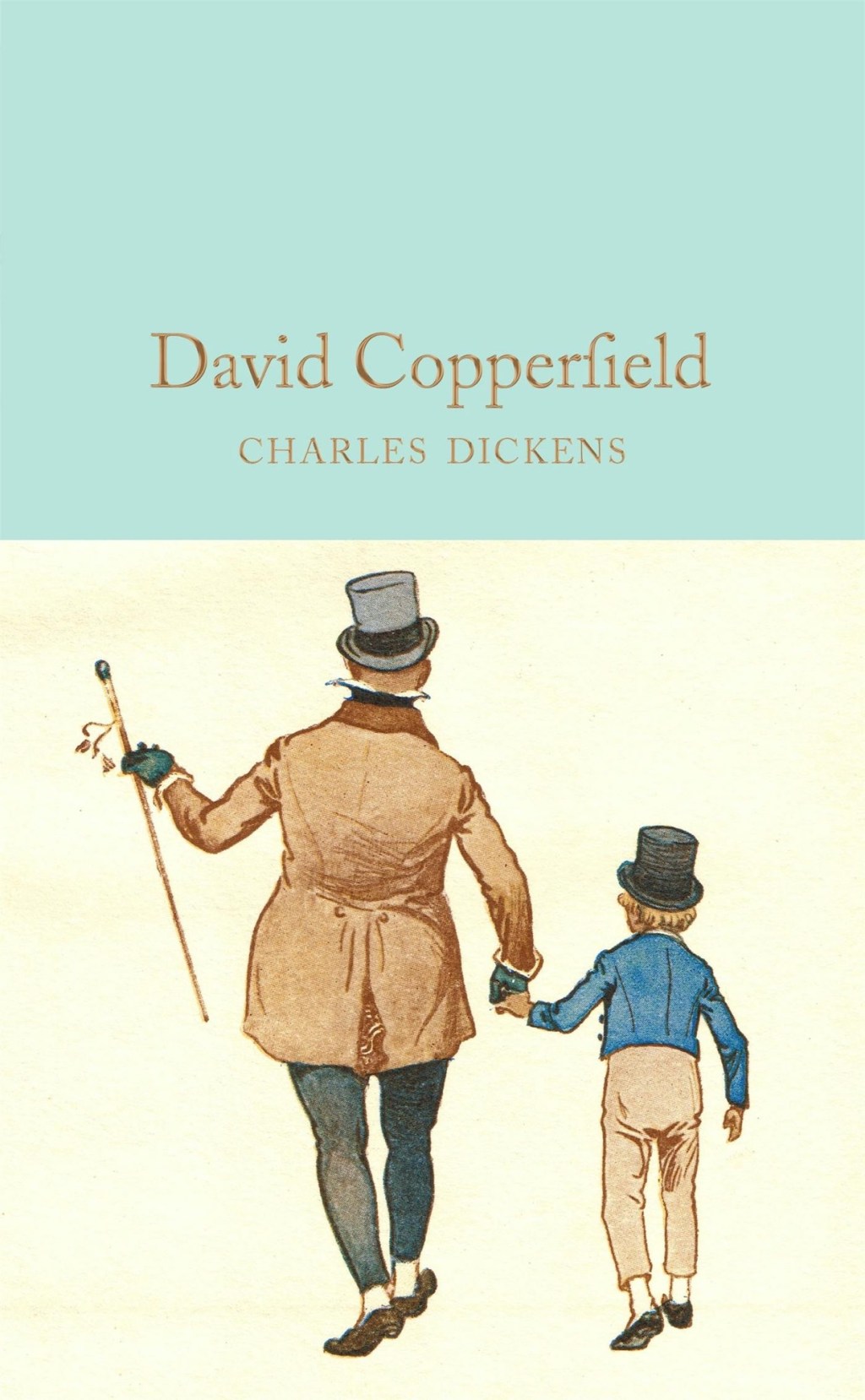
Book Review: David Copperfield by Charles Dickens
Rating: ★★★★★ (5/5)
Few novels have withstood the test of time as gracefully as David Copperfield, Charles Dickens’ semi-autobiographical masterpiece. Originally published as a serialized novel between 1849 and 1850, David Copperfield remains one of Dickens’ most beloved works, lauded for its intricate storytelling, unforgettable characters, and profound exploration of personal growth, hardship, and resilience. It is a coming-of-age novel in the truest sense, chronicling the trials and triumphs of its titular character from childhood to adulthood.
In David Copperfield, Dickens draws heavily from his own life, and the result is a deeply personal and emotionally rich narrative. The novel is filled with vivid characters, sharp social commentary, and Dickens’ signature humor and wit. But beyond its literary brilliance, it is a novel that speaks to the universal human experience—love, loss, ambition, and the search for identity.
Plot Summary: A Journey Through Hardship and Growth
The novel follows the life of David Copperfield from childhood to maturity, detailing his struggles, aspirations, and personal evolution. David’s early life is shaped by tragedy—his father dies before he is born, and his childhood is marked by the cruelty of his stepfather, Edward Murdstone. Sent away to an oppressive boarding school, young David experiences neglect and hardship, setting the tone for his journey of perseverance.
After his mother’s untimely death, David flees to London to seek refuge with his eccentric but kind-hearted Aunt Betsey Trotwood. Under her care, he begins to rebuild his life, eventually securing an education and finding his footing in society. However, life is far from straightforward, and David faces a series of challenges, including financial struggles, romantic disappointments, and betrayals from those he once trusted.
As he matures, David pursues a career as a writer, finds love, and ultimately discovers his true self. Along the way, he encounters a cast of unforgettable characters—some benevolent, some treacherous—all of whom shape his journey in profound ways.
A Rich Tapestry of Characters
One of Dickens’ greatest strengths as a writer is his ability to create characters that feel real, dynamic, and unforgettable. David Copperfield is brimming with personalities that have become iconic in literary history.
David Copperfield
As the protagonist, David undergoes immense personal growth throughout the novel. He begins as an innocent, impressionable child, endures trials that test his strength, and ultimately emerges as a self-assured, accomplished man. Dickens imbues David with sincerity and warmth, making him a character that readers can empathize with despite his flaws.
Aunt Betsey Trotwood
David’s fiercely independent and strong-willed aunt is one of the novel’s most beloved characters. Initially portrayed as eccentric and somewhat stern, Betsey quickly reveals a compassionate and protective nature. Her unwavering support for David makes her a crucial figure in his life, and her wit and wisdom add depth to the story.
Uriah Heep
Few literary villains are as slimy and insidious as Uriah Heep. With his exaggerated humility and obsequious mannerisms, Heep embodies deception and manipulation. He is the ultimate social climber, using dishonesty and exploitation to advance his position, making him one of Dickens’ most memorable antagonists.
Dora Spenlow and Agnes Wickfield
David’s romantic relationships play a significant role in his character development. Dora Spenlow, his first love, represents youthful infatuation and naivety. Their marriage is troubled, highlighting the complexities of relationships built on fleeting passion rather than deep compatibility. In contrast, Agnes Wickfield is the embodiment of patience, intelligence, and true love. As David matures, he realizes that Agnes is his true partner, a revelation that underscores the novel’s themes of growth and self-awareness.
Mr. Micawber
One of Dickens’ most comedic and endearing characters, Mr. Micawber is a perpetually optimistic man struggling with financial woes. His famous catchphrase—“Something will turn up”—captures his resilient (if not entirely practical) approach to life. Micawber’s misfortunes and eventual redemption provide a humorous yet poignant commentary on economic struggles.
Themes: A Reflection on Life’s Struggles and Triumphs
David Copperfield is much more than a simple coming-of-age story. It delves into themes that remain relevant today, making it a novel that continues to resonate with readers.
Personal Growth and Resilience
David’s journey is marked by hardships, but he continually strives to rise above them. The novel explores the impact of adversity on character development, emphasizing the importance of perseverance and self-improvement. David’s evolution from an abandoned child to a successful writer is a testament to the human ability to overcome obstacles.
The Corrupting Influence of Power
Through characters like Uriah Heep and Edward Murdstone, Dickens examines how power can be used to manipulate and oppress. Heep’s fraudulent rise to influence and Murdstone’s cruelty highlight the dangers of unchecked ambition and the exploitation of others.
Class and Social Mobility
As with many of Dickens’ novels, David Copperfield critiques the rigid class structures of Victorian England. Characters like Heep and Micawber illustrate different aspects of social mobility—one through deceit, the other through sheer perseverance. The novel suggests that integrity, rather than wealth or status, is the true measure of a person’s worth.
Love and Marriage
David’s relationships with Dora and Agnes serve as a study in contrasting romantic ideals. His marriage to Dora, while passionate, is ultimately unfulfilling due to immaturity and mismatched expectations. His eventual realization that Agnes is his true partner reinforces the idea that deep, enduring love is built on understanding and mutual respect.
Writing Style and Narrative Structure
Dickens’ writing in David Copperfield is both evocative and intricate, filled with rich descriptions, memorable dialogue, and moments of humor and pathos. The novel is written in the first person, a departure from Dickens’ usual third-person narration. This shift in perspective makes the story feel more personal and immersive, allowing readers to experience David’s joys and sorrows firsthand.
The novel’s serialized format means that each chapter is structured to keep readers engaged, often ending on a note of suspense or revelation. Dickens masterfully weaves multiple storylines together, ensuring that no character or subplot feels unnecessary.
Enduring Legacy and Influence
David Copperfield has had a lasting impact on literature and culture. Many scholars consider it Dickens’ most autobiographical work, reflecting his own experiences with poverty, loss, and literary success. Its themes of resilience and self-discovery have inspired countless adaptations, including film, television, and stage productions.
The novel’s influence extends beyond literature—its exploration of social injustice, economic struggles, and the human condition continues to be relevant today. Writers from J.R.R. Tolkien to J.K. Rowling have cited Dickens as an inspiration, and David Copperfield remains a staple in literary education worldwide.
Final Thoughts: A Masterpiece for the Ages
David Copperfield is more than just a novel—it is a journey through the complexities of human experience. Dickens’ storytelling prowess, combined with his keen social observations and unforgettable characters, make this one of the greatest novels ever written.
For those new to Dickens, David Copperfield serves as an excellent introduction to his work. Its blend of humor, drama, and heartfelt moments ensures that it remains engaging despite its length. For seasoned readers, revisiting the novel offers fresh insights and a renewed appreciation for Dickens’ genius.
Final Rating: 5/5 – A timeless masterpiece that continues to captivate and inspire.




Leave a comment