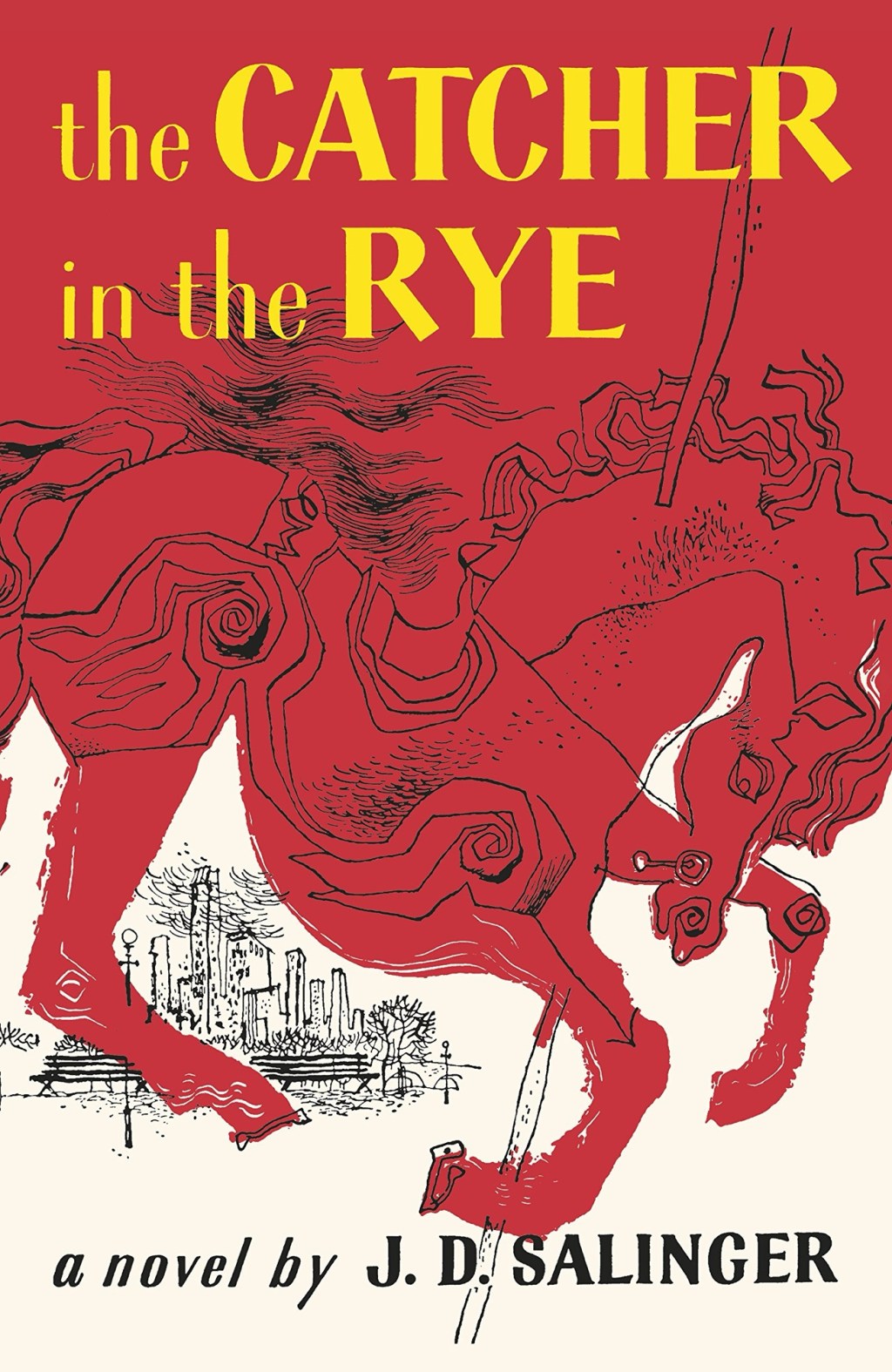
By J.D. Salinger
📅 Published: 1951
📚 Genre: Coming-of-Age, Literary Fiction
⭐ Rating: ★★★★★ (5/5)
Introduction
Few novels have captured the essence of teenage angst and alienation as profoundly as The Catcher in the Rye by J.D. Salinger. Published in 1951, this novel follows the misadventures of 16-year-old Holden Caulfield, a disillusioned teenager who struggles with identity, loss, and the hypocrisy of the adult world.
Through Holden’s cynical yet vulnerable voice, Salinger created a character that continues to resonate with readers, particularly those navigating the tumultuous transition from adolescence to adulthood. While controversial for its themes and language, The Catcher in the Rye remains a literary classic and a defining work in American literature.
Plot Summary
The novel is narrated by Holden Caulfield, who tells his story from a mental institution in California. The events take place over a few days in December as Holden recalls his experiences after being expelled from Pencey Prep, an elite boarding school.
Feeling disillusioned and disconnected from his peers, Holden decides to leave Pencey early and spend a few days alone in New York City before going home. As he roams the city, he encounters various characters and experiences that deepen his sense of isolation, including:
- A tense interaction with his former teacher, Mr. Spencer, who lectures him about his academic failure.
- An awkward encounter with a prostitute named Sunny and her pimp, Maurice, which ends in physical violence.
- A drunken night at a bar where he struggles to connect with strangers.
- A heartfelt but ultimately disappointing meeting with his old friend Sally Hayes.
- A visit with his beloved younger sister, Phoebe, who is the only person he feels truly understands him.
Throughout his journey, Holden fixates on the idea of preserving childhood innocence. He dreams of being “the catcher in the rye,” a guardian who saves children from falling into the corruption of adulthood. However, by the end of the novel, he begins to accept that growing up is inevitable.
The book closes with Holden in a mental institution, reflecting on his experiences. While he remains uncertain about his future, he expresses a small sense of hope, suggesting that his journey has led to some personal growth.
Themes & Analysis
1. Alienation and Loneliness
Holden Caulfield is one of literature’s most iconic outsiders. Throughout the novel, he struggles with a deep sense of alienation. He constantly criticizes others for being “phony,” yet he craves meaningful human connection. His contradictory nature—pushing people away while desperately wanting companionship—makes him a complex and relatable character.
His isolation is self-imposed, but it also stems from his inability to fit into societal expectations. He sees the adult world as corrupt and dishonest, which only deepens his sense of disconnection.
2. The Pain of Growing Up
Holden’s obsession with innocence stems from his fear of adulthood. He idolizes childhood as a time of purity and honesty, contrasting it with the deception and cruelty he perceives in adults.
His desire to be “the catcher in the rye” symbolizes his wish to protect children from the harsh realities of life. However, his journey teaches him that change is inevitable and that trying to stop the passage of time is both impossible and unhealthy.
3. Death and Grief
A significant influence on Holden’s worldview is the death of his younger brother, Allie. Allie’s passing left Holden deeply traumatized, and he struggles to process his grief. His inability to cope with loss contributes to his resistance to change and his desire to hold onto the past.
Throughout the novel, Holden’s thoughts often turn to mortality. His musings on death highlight his existential crisis and fear of the unknown.
4. Phoniness and Hypocrisy
Holden frequently complains about the “phoniness” of the world around him. He views people as fake, insincere, and obsessed with superficial things. However, his judgments often reveal his own insecurities.
For example, while he criticizes others for being phony, he himself lies and deceives people throughout the novel. This irony adds depth to his character, showing that his disdain for phoniness is as much about his frustration with himself as it is with others.
5. Mental Health and Depression
Many readers interpret Holden’s behavior as a reflection of undiagnosed depression. His erratic emotions, reckless behavior, and feelings of worthlessness suggest deep psychological struggles.
Salinger’s portrayal of Holden’s mental state is one of the reasons the novel remains so impactful. It provides a raw and honest depiction of teenage mental health, making it deeply relatable to those who have felt lost or misunderstood.
Writing Style and Narrative Techniques
Salinger’s writing style is one of the novel’s most defining features.
- First-Person Narrative: The novel is written entirely from Holden’s perspective, immersing the reader in his thoughts and emotions. This makes the story feel deeply personal and authentic.
- Colloquial Language: Holden’s informal, conversational tone makes the novel feel natural and relatable. His frequent digressions and repetitive phrases add to the realism of his character.
- Symbolism: The book is filled with powerful symbols, such as:
- The Catcher in the Rye: Represents Holden’s desire to protect innocence.
- The Museum of Natural History: Symbolizes Holden’s wish for a world that never changes.
- The Ducks in Central Park: Reflect his uncertainty about what happens after change or hardship.
Impact and Controversy
The Catcher in the Rye has had a lasting impact on literature and culture. It is widely regarded as one of the greatest coming-of-age novels ever written.
However, it has also been the subject of controversy. Since its publication, the novel has been frequently banned due to its profanity, sexual references, and criticism of societal norms. Some argue that Holden’s rebellious nature is a bad influence on young readers, while others believe the book provides an important and honest depiction of teenage struggles.
Despite its controversies, the novel remains a staple in literature classes and continues to resonate with readers of all generations.
Final Thoughts
The Catcher in the Rye is a powerful exploration of identity, mental health, and the struggles of growing up. Holden Caulfield’s journey is both frustrating and deeply moving, making him one of literature’s most memorable protagonists.
📢 Who Should Read It?
✅ Readers who enjoy introspective and character-driven stories.
✅ Those interested in coming-of-age literature.
✅ Anyone who has ever felt lost, misunderstood, or disconnected.
💬 What are your thoughts on Holden’s journey and Salinger’s writing? Let’s discuss! ⬇️


 Book Reviews Online